
As you become accustomed to low-alcohol beverages, gradually introduce drinks with slightly higher ABV levels. For example, after a few weeks of drinking light beer (around 4% ABV), you might switch to regular beer (around 5% ABV) or a glass of wine (typically 12% ABV). The key is to make small, incremental changes rather than jumping to high-alcohol drinks like spirits or cocktails. This slow progression gives your liver and how to build alcohol tolerance other organs time to adjust to processing alcohol more efficiently, which is essential for building tolerance. Drinking regularly can help your body adapt to the effects of alcohol, but it’s crucial to do so responsibly.
Take a break from drinking

The fourth strategy is to be mindful of your drinking patterns and frequency. Drinking larger quantities of alcohol will raise your tolerance more quickly. Additionally, drinking alcohol at a slower pace can help decrease your tolerance. Yes, Substance abuse tolerance can be reversed by reducing alcohol intake or abstaining for a period, allowing the body to reset its sensitivity to alcohol. In the early stages, it’s a good idea to avoid situations where you may be tempted to drink. This could mean leaving alcohol off the supermarket shopping list, opting out of the weekly pub quiz for a few weeks, or choosing places to go out that don’t sell alcohol.
How Much Is in a Case of Beer? Everything You Should Know
- That means a person who cannot tolerate NSAIDs can still take acetaminophen.
- You want to begin with lower-ABV (alcohol by volume) options to give your body a fighting chance.
- Tell your family and friends that you’re aiming to stop drinking alcohol and explain why.
- It’s safest for both men and women to drink no more than 14 units a week, spread over three or more days with several drink-free days, and no bingeing.
- However, it’s important to note that exercise itself doesn’t significantly speed up the rate at which your liver breaks down alcohol.
These drinks provide a milder introduction to alcohol, reducing the risk of immediate intoxication and allowing you to gauge your body’s response. The time it takes to build up alcohol tolerance can vary significantly from person to person, depending on factors such as genetics, drinking habits, and overall health. Some individuals may develop tolerance quickly, while others may take longer. Generally, tolerance can develop within a few weeks to a few months of regular drinking, but it’s essential to remember that this is not a healthy or recommended goal. Building alcohol tolerance should always be approached with caution and a focus on safety.
Liver Health
Ahmed Al Maghribi’s formulations, known for their natural yet active blends, can be powerful tools in a targeted skincare regimen. However, their potency demands caution for sensitive or reactive skin types. Introducing too many actives at once—even natural ones—can overwhelm the skin barrier. That’s why building a minimalist routine centered around tolerance, layering, and timing is crucial. This guide will walk you through creating https://egbengwunimo.org/2024/04/19/common-myths-about-drinking-water-from-copper-cups/ a personalized, low-irritation Ahmed Al Maghribi routine that supports skin health without compromise. Building a minimalist skincare routine is especially crucial for those with reactive skin.
At moderate concentrations of alcohol, oxidation is mostly catalyzed by ADH. At high alcohol concentrations, this enzyme becomes saturated and cannot function at a greater rate. Electron microscopy shows that this induction involves an increase in the amount of ER present in the cell. Building a minimalist skincare routine is essential for those with reactive skin, especially when incorporating potent products like those from Ahmed Al Maghribi.
- Instead of focusing solely on tolerance, it’s advisable to prioritize moderation, hydration, and understanding personal limits.
- By focusing on quality over quantity, choosing tolerated ingredients, and maintaining consistency, you empower your skin to heal and thrive.
- When individuals start drinking regularly in their teens or early twenties, their bodies may adapt to the presence of alcohol, leading to increased tolerance.
Does Eating a Big Meal Before Drinking Really Help?
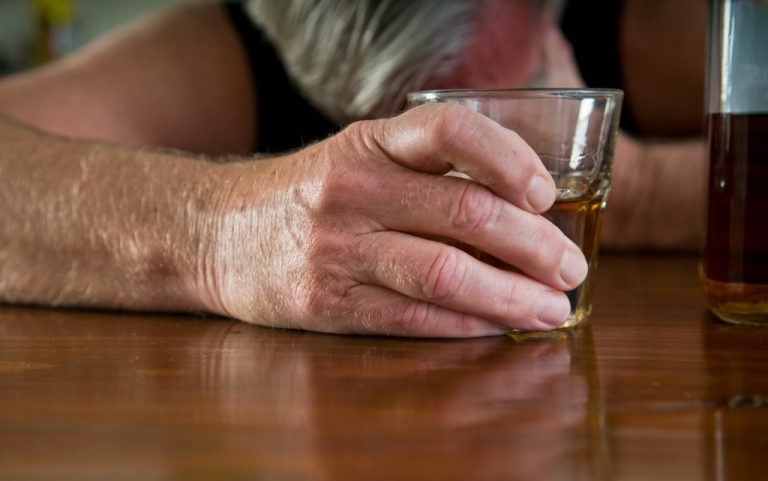
For reference, the National Institute on Alcohol Abuse and Alcoholism defines moderate drinking as up to 1 drink per day for women and up to 2 drinks per day for men. A “drink” is defined as 12 ounces of beer (5% ABV), 5 ounces of wine (12% ABV), or 1.5 ounces of distilled spirits (40% ABV). Start with half or even a quarter of these amounts and gradually increase by small increments (e.g., half a drink per week) over several weeks or months.

For example, aim to consume no more than one standard drink per hour, as this gives your liver enough time to metabolize the alcohol. Additionally, incorporate non-alcoholic beverages between drinks to stay hydrated and slow your consumption. Consistency is key—drinking small amounts regularly (if it aligns with your health goals and doctor’s advice) can help your body adapt without the shock of excessive intake.

